
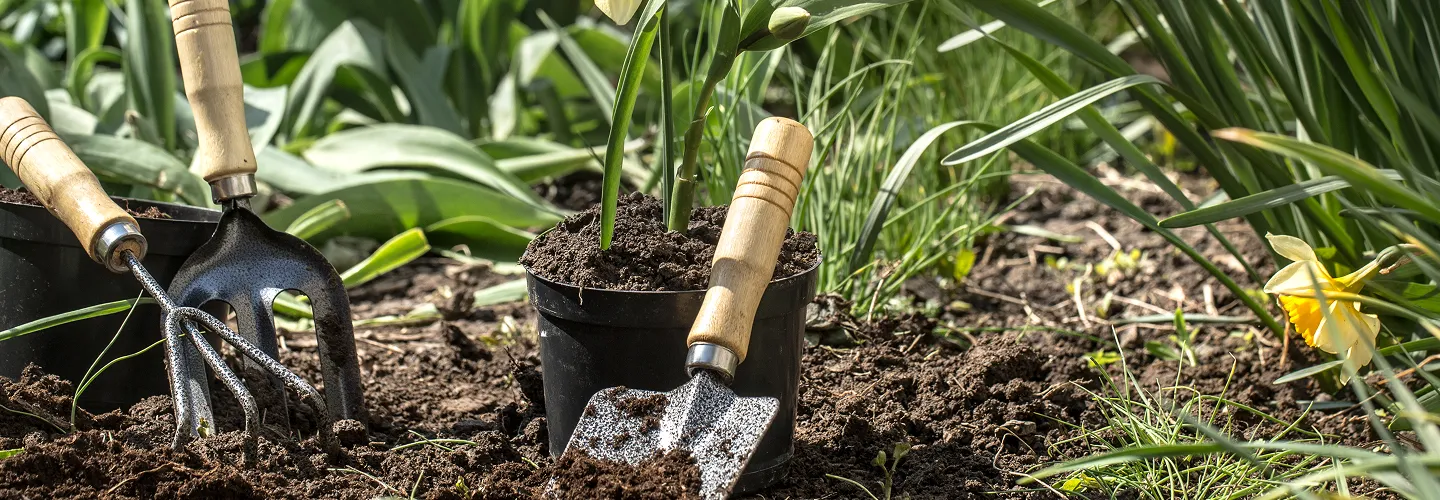
Seguin Flower Bed Maintenance Services
Choose our Flower Bed Maintenance for expert care, healthy blooms, and a beautiful landscape that enhances your home's curb appeal season after season.
Get a Free QuoteOur Seguin Landscaping & Yard Care Services
When to Schedule Flower Bed Maintenance in Seguin, Texas – Seasonal Guide
In Seguin, Texas, the timing of flower bed maintenance is crucial for keeping your landscape vibrant and healthy throughout the year. Thanks to our region’s warm climate and unique weather patterns, the best times for maintenance are typically early spring and late fall. Early spring, just after the last frost date, is ideal for cleaning up beds, refreshing mulch, and preparing soil for new plantings. Late fall, after the intense summer heat has subsided, is perfect for pruning, removing spent annuals, and protecting perennials before winter.
Local factors such as the Guadalupe River’s influence on humidity, the sandy loam soils common in neighborhoods like Mill Creek Crossing, and the shade provided by mature pecan trees in areas near Walnut Springs Park all play a role in determining the optimal maintenance schedule. Homeowners should also consider drought risk during the hot summer months and be mindful of municipal watering restrictions. For more information on local environmental guidelines, visit the Seguin city resources.
Local Factors to Consider for Flower Bed Maintenance in Seguin
- Tree density and shade coverage, especially in established neighborhoods
- Soil type, such as sandy loam or clay, which affects drainage and plant selection
- Seasonal precipitation patterns and risk of drought
- Proximity to the Guadalupe River, which can influence humidity and microclimates
- Municipal restrictions on watering and fertilizer use
- Terrain variations, from flat lots to sloped yards near local parks
Benefits of Flower Bed Maintenance in Seguin

Enhanced Curb Appeal
Weed and Pest Prevention
Healthier Plant Growth
Seasonal Color Management
Professional Landscape Expertise
Time and Effort Savings

Seguin Flower Bed Maintenance Types

Seasonal Flower Planting
-
Weed Control Services
-
Mulching and Soil Conditioning
-
Pruning and Deadheading
-
Fertilization Programs
-
Pest and Disease Management
-
Edging and Bed Redefining
Our Flower Bed Maintenance Process
Site Evaluation
Weed Removal
Soil Preparation
Plant Care
Mulching
Why Choose Seguin Landscape Services
-
Seguin Homeowners Trust Us
-
Expert Lawn Maintenance
-
Reliable Scheduling
-
Competitive Pricing
-
Professional Team
-
Satisfaction Guarantee
-
Personalized Service
Seguin’s Blackland Prairie Soils and Drainage Considerations for Flower Beds
Seguin’s predominant soils, including Houston Black clay and Wilson silty clay loam, present unique challenges for flower bed maintenance. These soils are characterized by high clay content, pH levels typically ranging from 7.5 to 8.2, and slow drainage, which can lead to waterlogging during heavy rainfall. To promote healthy root development, it is recommended to incorporate 2-3 inches of compost into the top 6 inches of soil and perform annual soil testing through the Texas A&M AgriLife Extension (soil test kits typically cost $15-25). Raised beds or amended planting areas are advised in poorly drained locations. Mulching with 2-3 inches of organic material helps regulate soil moisture and temperature. For detailed soil mapping and site-specific recommendations, consult the USDA Web Soil Survey.
Seguin Public Works Department
205 N. River Street, Seguin, TX 78155
Phone: (830) 401-2435
Official Website: Seguin Public Works Department
Seasonal Timing and Climate Guidance for Flower Bed Maintenance in Seguin
Seguin is located in USDA Hardiness Zone 8b, with average annual minimum temperatures of 15-20°F and a growing season typically extending from mid-March through late November. Optimal planting windows for most perennial and annual flowers are February 15 to April 15 (spring) and September 1 to October 15 (fall). Avoid major soil disturbance or fertilizer application during peak summer (June-August), when soil temperatures often exceed 85°F, increasing plant stress. Monitor local weather patterns using the National Weather Service Austin/San Antonio Office for frost advisories and rainfall forecasts. Key timing recommendations include:
- Spring planting: February 15 – April 15
- Fall planting: September 1 – October 15
- Mulch renewal: March and October
- Fertilization: Early March and late September
Municipal Coordination and Debris Disposal Protocols for Seguin Flower Beds
Proper disposal of flower bed debris in Seguin is regulated by municipal ordinance. Yard waste collection occurs every Thursday from April through November. Residents must use biodegradable paper bags or reusable bins (32-gallon maximum); plastic bags and branches over 4 inches in diameter are prohibited. Accepted materials include leaves, grass clippings, and non-woody plant debris. Debris should be placed curbside by 7:00 AM on collection day. For large-scale projects or off-schedule disposal, the city transfer station is available Monday-Friday, 8:00 AM – 4:00 PM. Compliance with these protocols helps prevent stormwater contamination and supports Seguin’s MS4 permit obligations under the Clean Water Act.
Seguin Environmental Health Division
205 N. River Street, Seguin, TX 78155
Phone: (830) 401-2455
Official Website: Seguin Environmental Health Division
Environmental Compliance: Buffer Zones and Stormwater Protection in Seguin
Flower bed maintenance near Seguin’s water bodies, such as the Guadalupe River and Walnut Branch, must adhere to buffer zone requirements. A minimum 25-foot no-disturbance buffer is recommended from the edge of wetlands and streams to prevent nutrient runoff and sedimentation. The Texas Commission on Environmental Quality (TCEQ) enforces MS4 stormwater regulations, prohibiting the disposal of yard waste or fertilizers into storm drains. Application of fertilizers or pesticides is restricted within 50 feet of water bodies. Residents are encouraged to use native, deep-rooted species to stabilize soil and reduce runoff. For further guidance, refer to the Texas Water Code and EPA Region 6 for federal compliance.
Texas Commission on Environmental Quality
12100 Park 35 Circle, Austin, TX 78753
Phone: (512) 239-1000
Official Website: Texas Commission on Environmental Quality
Plant Selection for Seguin Flower Beds: Native and Drought-Tolerant Species
Selecting appropriate plant species is essential for sustainable flower bed maintenance in Seguin’s climate. Recommended native and drought-tolerant perennials include:
- Black-eyed Susan (Rudbeckia hirta)
- Purple coneflower (Echinacea purpurea)
- Autumn sage (Salvia greggii)
- Gulf Coast penstemon (Penstemon tenuis)
- Mexican feathergrass (Nassella tenuissima)
- Winecup (Callirhoe involucrata) For shaded areas, consider Turk’s cap (Malvaviscus arboreus) and cedar sage (Salvia roemeriana). Plant spacing should be 12-18 inches for groundcovers and 18-24 inches for larger perennials. Use mulch to conserve moisture and suppress weeds. For additional plant recommendations and diagnostic support, consult the Texas A&M AgriLife Extension.
What Neighborhoods Do We Serve Throughout Seguin, TX?
- Downtown Seguin: Historic district with mature trees, compacted urban soils, and smaller lot sizes requiring careful plant selection and soil amendment.
- Meadow Lake: Proximity to the Guadalupe River and floodplain areas necessitates strict buffer compliance and use of flood-tolerant species.
- Mill Creek Crossing: Newer development with well-drained soils but potential for construction fill and compaction, requiring soil testing and amendment.
- Elmwood Village: Established neighborhood with moderate tree cover and mixed sun/shade conditions, ideal for diverse perennial plantings.
- Tanglewood: Larger lots with heavy clay soils and drainage challenges, benefiting from raised beds and organic amendments.
- Las Brisas: Subdivision near Walnut Branch with HOA landscaping guidelines and proximity to protected riparian zones, requiring adherence to both city and HOA standards.
- Country Club Estates: Features sloped lots and mature landscaping, necessitating erosion control measures and careful irrigation management.